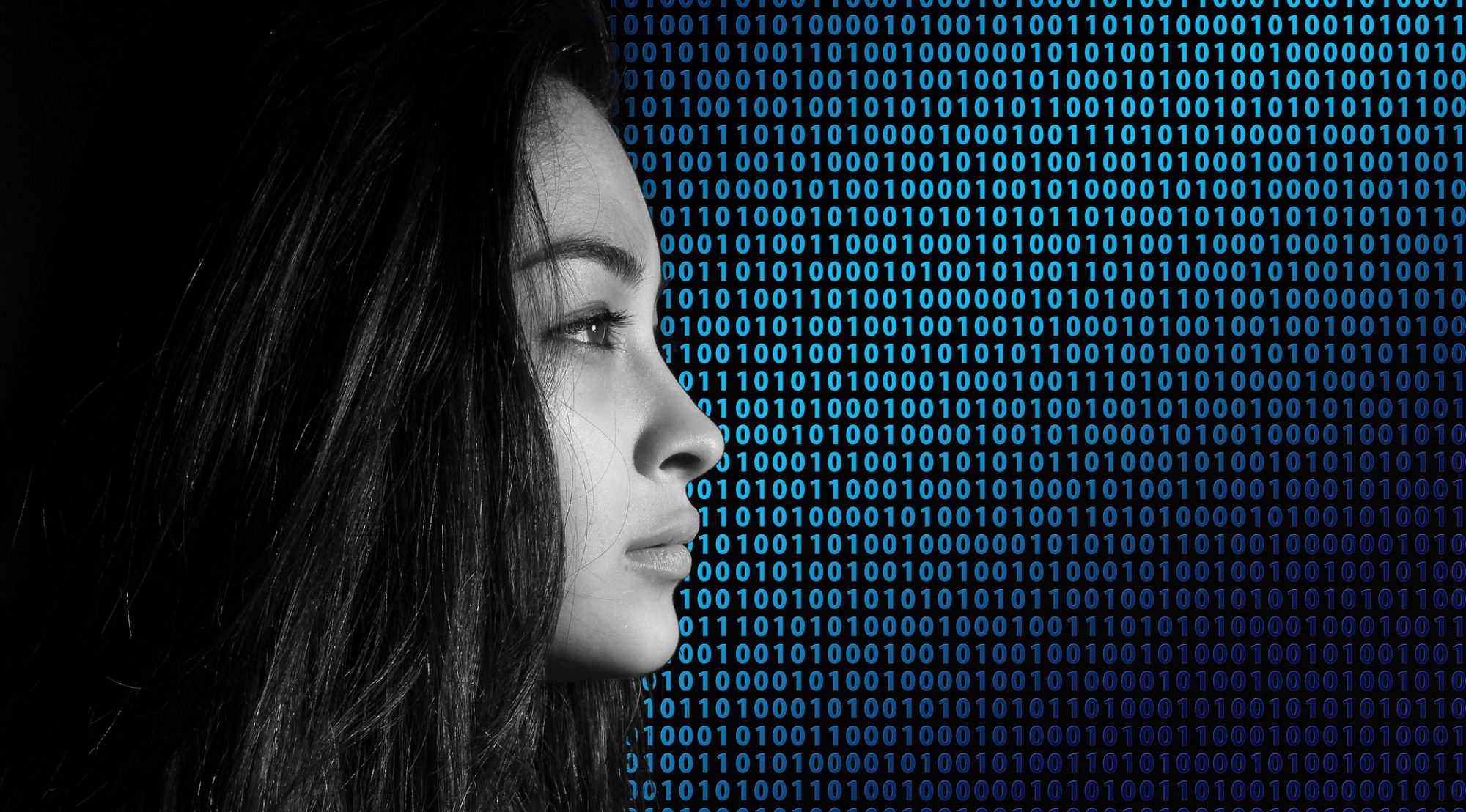
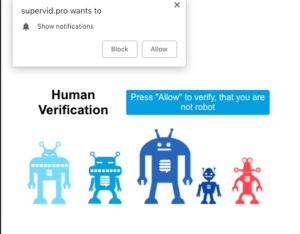
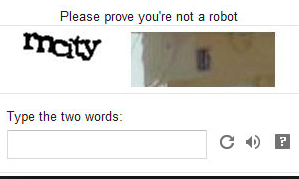
The thought that entered my mind after reading Read’s “How Much of the Internet is Fake?” is “prove you’re not a robot.” Read’s article hit close to home, eerily. How often have we been prompted to prove our existence by some seemingly random box selection? Before this article, I thought that command was funny. I never took it seriously because I thought it was logically impossible for me to be a robot. This is not some Steven Spielberg movie where we cluelessly go about our day to day nonhuman existence not knowing that we are in fact robots, or is it?
On a more serious note, I am not surprised about digital ad-fraud report. It makes sense that corporations would try to find ways to maximize and track consumer internet usage. What I found more concerning about this section of Read’s article was the fact that somewhere an unknown number of people have the ability to create technology that can “imitate humans: bots “faked clicks, mouse movements, and social network login information to masquerade as engaged human consumers.” To me, that is one step closer to creating a robot that can mimic my thoughts and movements. Perhaps I do watch too many James Cameron movies. Clearly they do as well.
It makes me wonder if we ultimately cause more harm by pushing our younger generations to STEM fields. They develop the skills to advance us technologically, yes but morally, what have we gained?
Fake metrics, fake people, fake business, fake content…The oxymoronic “counterfeit reality” is all too much.
Unfortunately for us, there is no omnipresent and all knowing Morpheus to serve us the “red-pill of pre-Inversion reality”.
Before you leave a comment on this blog post…..
Read, Max. 2018. “How Much of the Internet is Fake? Turns Out, a Lot of It, Actually.” New York Magazine / Intelligencer.http://nymag.com/intelligencer/2018/12/how-much-of-the-internet-is-fake.html
that debate about the dangers of STEM when taught without the moral and ethical grounding of the Humanities is a very longstanding one. we see examples galore of technological advances and new business proposals that seem out of touch with how marginalized populations might deal with them. we read about plenty of those in Sara Wachter-Boettcher’s Technically Wrong, and we could probably fill two or three more books with more examples from the last few years, too.